


Sludge Dewatering in IBA Plants: How Filter Presses Close the Water Loop
The transition from dry to wet Incineration Bottom Ash (IBA) sorting has revolutionized the Waste-to-Energy (WtE) industry. Wet processing drastically increases fine metal recovery, eliminates hazardous airborne dust, and produces clean, CE-certified secondary aggregates. However, this superior process introduces a new engineering challenge: industrial wastewater management.
Washing bottom ash generates a highly toxic slurry laden with heavy metals, unburned organics, abrasive glass dust, and soluble salts (chlorides and sulfates). Discharging this wastewater into municipal sewers is strictly prohibited by environmental regulations worldwide. To operate legally and profitably, modern WtE plants must achieve Zero Liquid Discharge (ZLD).
In this comprehensive technical guide, we will explore the anatomy of IBA wastewater, compare different sludge dewatering technologies, and explain why the heavy-duty Sludge Filter Press is the ultimate so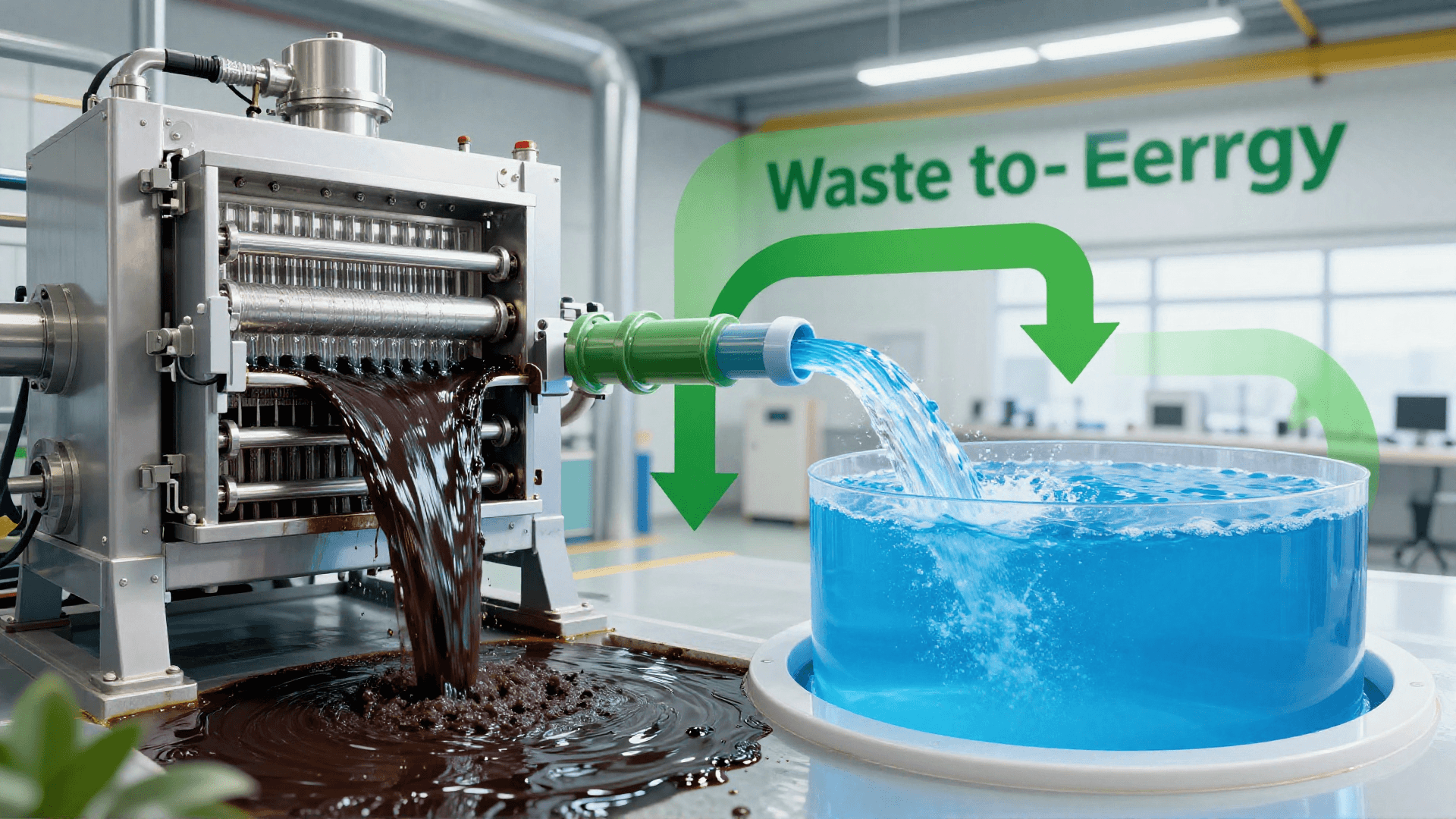 lution for closing the water loop, recovering clean water, and minimizing hazardous waste disposal costs.
1. The Anatomy of IBA Wastewater
Before designing a water treatment circuit, operators must understand exactly what they are trying to separate. The effluent coming from Slag Washing Machines and gravity separators is not typical muddy water. It is a complex, abrasive, and chemically aggressive sludge.
- •Ultra-Fine Particulates (Suspended Solids): Ash particles smaller than 63 microns remain suspended in the water. These fines often contain the highest concentrations of heavy metals (lead, cadmium, zinc) that have leached from the melted slag.
- •High Abrasiveness: The suspended solids include microscopic shards of glass and ceramics. If not effectively removed, this abrasive water will quickly destroy the seals and impellers of recycling pumps.
- •High pH and Dissolved Salts: IBA wastewater is typically highly alkaline (pH 10-12) and rich in dissolved chlorides and sulfates.
2. Designing the Closed-Loop Water Circuit
To achieve Zero Liquid Discharge (ZLD), the plant must continuously separate the solid sludge from the water so both can be safely managed. A standard, high-efficiency IBA water treatment circuit follows four distinct stages:
Stage 1: Primary Dewatering
The bulk of the washed aggregate is separated from the water using High-Frequency Dewatering Screens. The coarse aggregate (>2mm) climbs the screen and is discharged dry, while the water and fine sludge (<2mm) fall through the polyurethane mesh into an underflow sump.
Stage 2: Coagulation and Flocculation
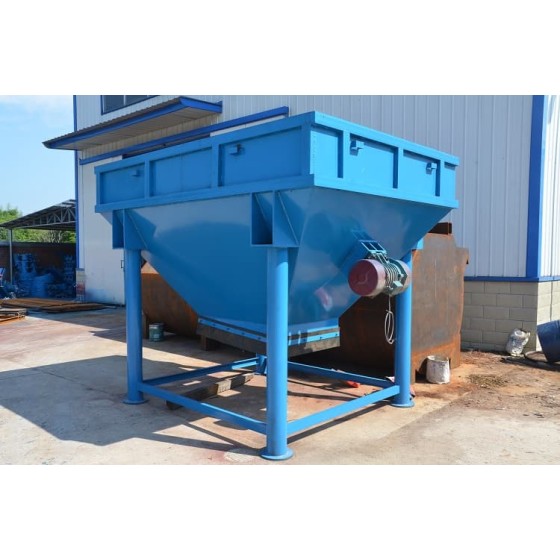
The underflow slurry is pumped into a Deep Cone Thickener (Clarifier). Chemical flocculants (like PAC and PAM) are added. These chemicals cause the microscopic ash particles to bind together into larger, heavier "flocs" that rapidly sink to the bottom of the thickener tank.
Stage 3: High-Pressure Filtration
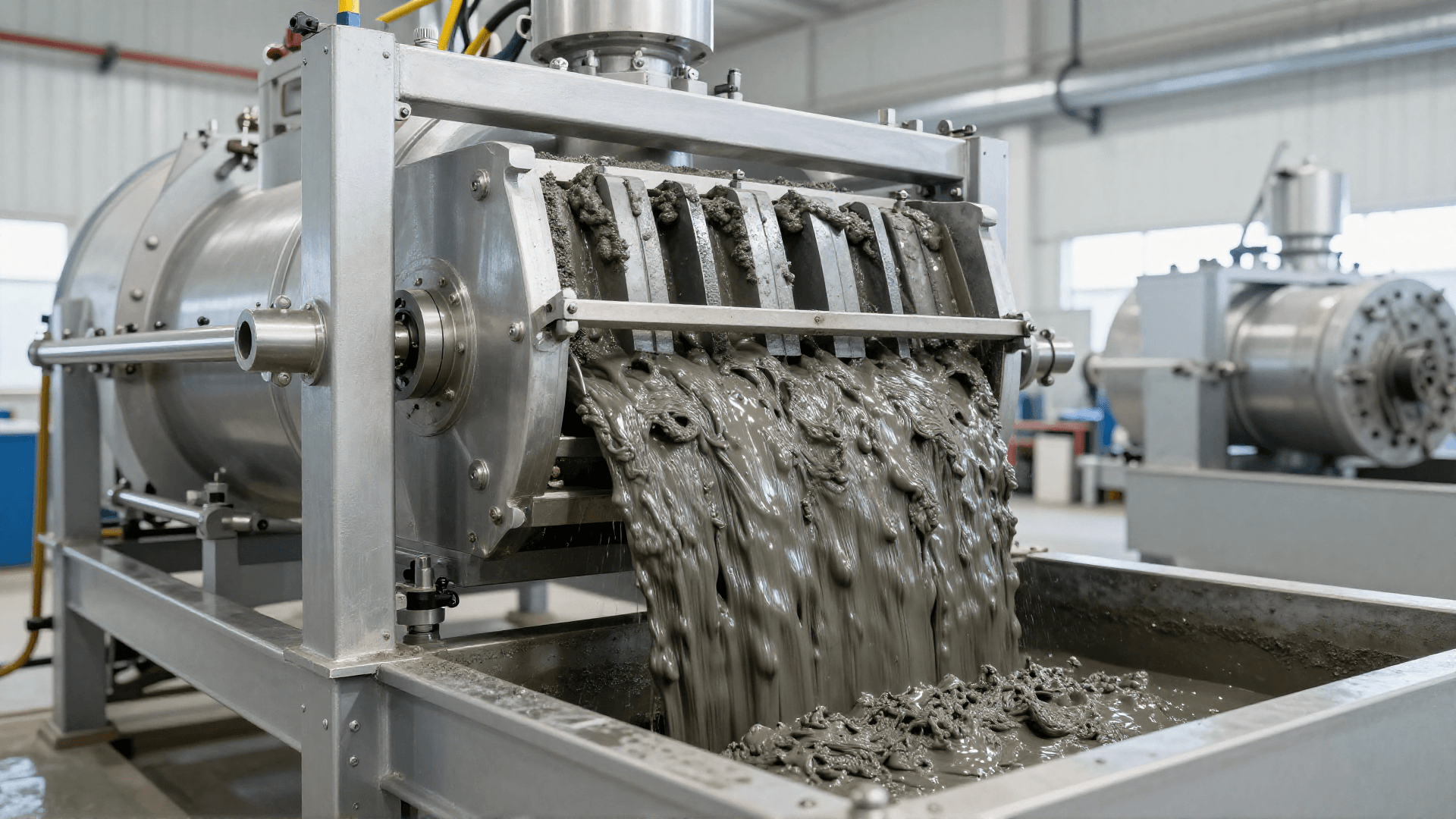
The concentrated sludge at the bottom of the thickener (now about 30-40% solids) is pumped into a Plate and Frame Filter Press. The press applies immense mechanical pressure to squeeze the remaining water out of the sludge, producing a dry, solid mud cake.
Stage 4: Clean Water Recycling
The clear water that overflows from the top of the thickener, combined with the ultra-clear filtrate squeezed out by the filter press, is collected in a clean water tank and pumped directly back to the washing equipment, completing the cycle.
 3. Technology Comparison: Why Filter Presses Win
When it comes to Stage 3 (dewatering the concentrated sludge), plant operators typically evaluate three technologies: Decanter Centrifuges, Belt Presses, and Plate & Frame Filter Presses.
For incinerator bottom ash, the Filter Press is universally recognized as the gold standard. Here is why:
| Feature | Decanter Centrifuge | Belt Filter Press | Plate & Frame Filter Press |
|---|---|---|---|
| Final Cake Dryness | Moderate (Sticky output) | Poor (Very wet output) | Excellent (Hard, dry cake) |
| Handling Abrasive Slag | Poor. High-speed rotation destroys internal scrolls quickly. | Moderate. Glass cuts the belts over time. | Excellent. No high-speed moving parts in contact with slurry. |
| Filtrate Water Clarity | Cloudy | Cloudy | Crystal Clear (Ready for recycling) |
| Operating Pressure | Centrifugal force | Low mechanical squeezing | Extremely High (Up to 3.0 MPa) |
| Flocculant Consumption | High | Very High | Low |
4. The Economic and Environmental ROI of ZLD
Investing in a heavy-duty Filter Press is not just an environmental obligation; it is a profound cost-saving measure that directly impacts the plant's profitability.
- ✔Slashing Landfill Disposal Costs: Toxic IBA sludge must be disposed of in specialized hazardous waste landfills, where disposal is charged by weight. A Belt Press leaves 40-50% moisture in the sludge, meaning you are paying exorbitant fees to transport and bury water. A Filter Press can reduce moisture to below 20%, cutting your disposal tonnage (and costs) dramatically.
- ✔Zero Water Bills: Industrial washing requires hundreds of cubic meters of water per hour. By utilizing a Filter Press, up to 95% of this water is recovered and reused continuously. The plant only needs to add a trickle of top-up water to account for natural evaporation and the small amount of moisture retained in the final dry aggregates.
- ✔Regulatory Peace of Mind: With a closed-loop system, no wastewater ever leaves the facility. This guarantees 100% compliance with local EPA and municipal water discharge regulations, eliminating the risk of fines or plant shutdowns.
5. Essential Features for IBA Filter Presses
Not all filter presses are built to handle the aggressive chemistry and abrasiveness of bottom ash. When selecting equipment for a WtE plant, IbaSorting engineers incorporate several mandatory features:
- Reinforced Polypropylene (PP) Plates: Standard cast iron plates will corrode rapidly due to the high chloride content of IBA wastewater. We use ultra-thick, reinforced PP plates that are entirely immune to chemical corrosion.
- High-Pressure Hydraulics: Because fine ash is highly cohesive, standard low-pressure systems cannot push the water out. Our systems operate at up to 3.0 MPa to guarantee a hard, dry cake.
- Fully Automated Plate Shifters: Manual plate shifting is too slow for high-capacity WtE plants. Our integrated PLC systems automatically pull the plates apart, allowing the heavy mud cakes to drop instantly into the collection bay below, minimizing cycle time.
Achieve Zero Liquid Discharge Today
Don't let wastewater disposal costs eat into your metal recovery profits. IbaSorting designs custom, fully automated water treatment circuits and heavy-duty filter presses tailored specifically for Incineration Bottom Ash.
Learn more About IbaSorting and our mission to build the circular economy.
Frequently Asked Questions (FAQ)
Why can't I just use a settling pond instead of a Filter Press?
Natural settling ponds require massive amounts of land, which most WtE plants do not have. More importantly, the ultra-fine suspended solids in IBA wastewater can take weeks to settle naturally. During this time, the water becomes stagnant and highly alkaline. A Filter Press processes this sludge in minutes, keeping the footprint tiny and the water in continuous circulation.
Does the Filter Press recover any metals?
The Filter Press itself is primarily for water recovery and waste volume reduction. However, before the sludge reaches the thickener, we often route the slurry through a Wet Magnetic Separator or a Shaking Table to extract microscopic iron dust and trace precious metals from the mud, ensuring absolutely zero value is lost.