【24-Hour Free Consultation & Quote】
WeChat/WhatsApp: +86 199 1475 4015
Submit your inquiry and a dedicated engineer will contact you immediately.
{{ variable.name }} : {{ variable.values[selectedVariantsIndex[variable_index]].name }}
As global urbanization accelerates, waste-to-energy incineration has become the primary method for municipal solid waste management. However, the bottom ash (slag) produced after incineration is far from mere "waste"—it represents an urban mineral deposit rich in recoverable metals, including iron, copper, aluminum, stainless steel, and trace precious metals.
Direct landfilling of bottom ash is no longer economically or environmentally viable. IbaSorting provides complete end-to-end dry and wet bottom ash sorting equipment designed to maximize metal value while converting residual inert slag into CE-certified secondary construction aggregates.
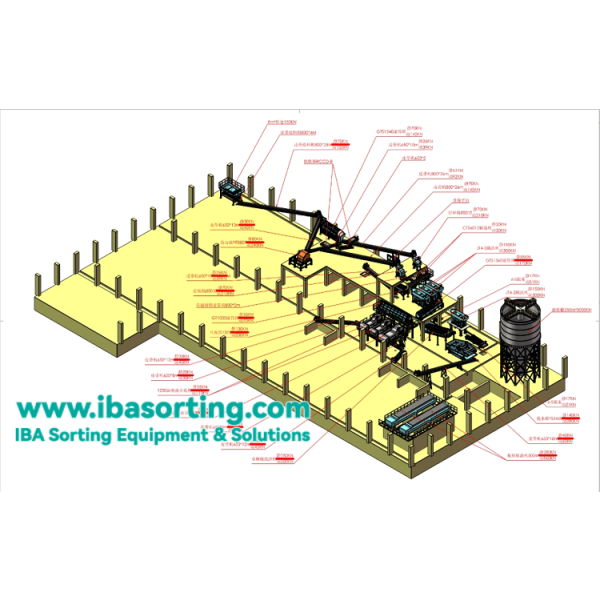
Our modular processing lines handle capacities ranging from 10 to 100 tons per hour (200 to 2000 tons per day). The system integrates multi-stage crushing, advanced magnetic separation, and high-precision gravity separation technologies to ensure zero loss of metal value streams.
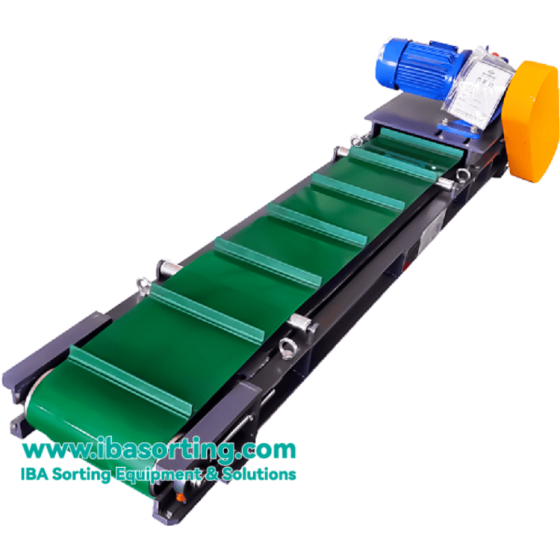
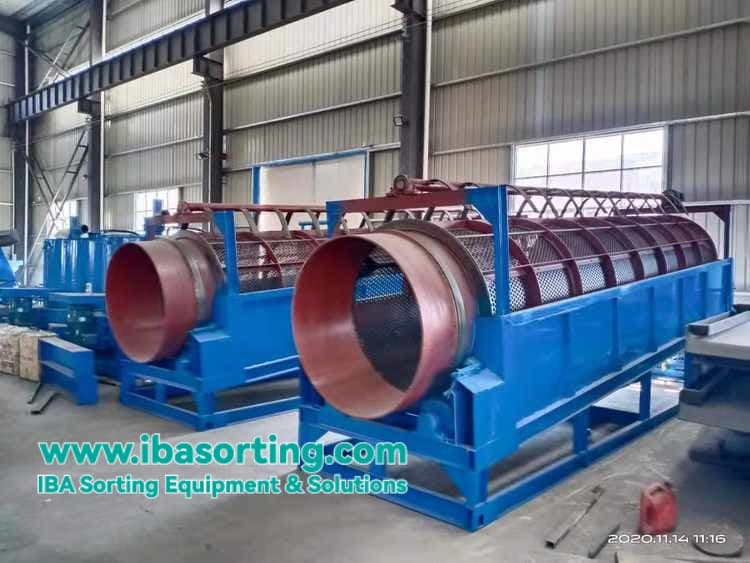
Wet bottom ash feedstock is conveyed by loader to a buffer hopper, then metered uniformly into a heavy-duty drum screen. This equipment separates large waste pieces and oversized slag from fine-grained material.
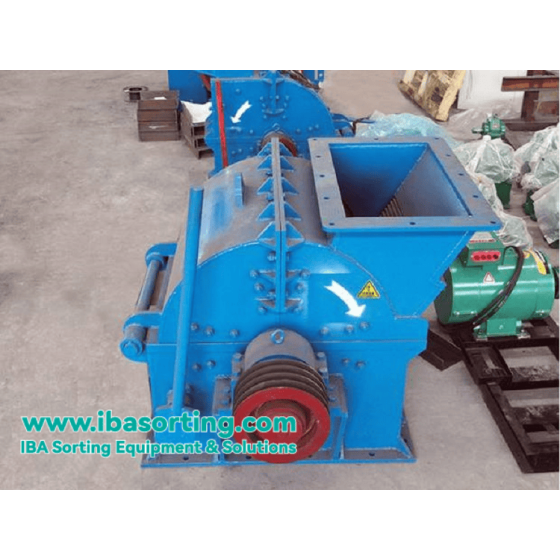
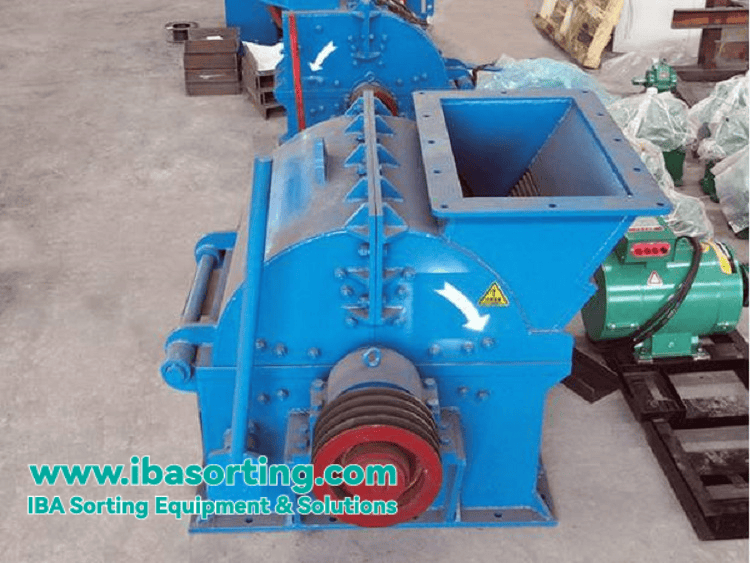
Oversized slag is fed into the IBA-specific crusher and slag cone crusher. This critical process pulverizes sintered ceramic slag blocks, releasing trapped trace precious metals.
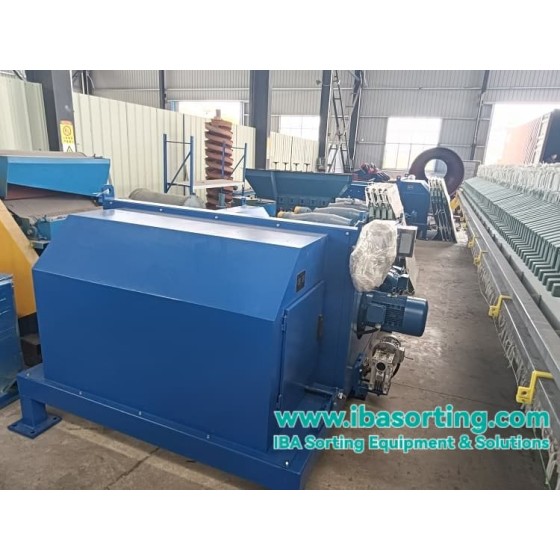
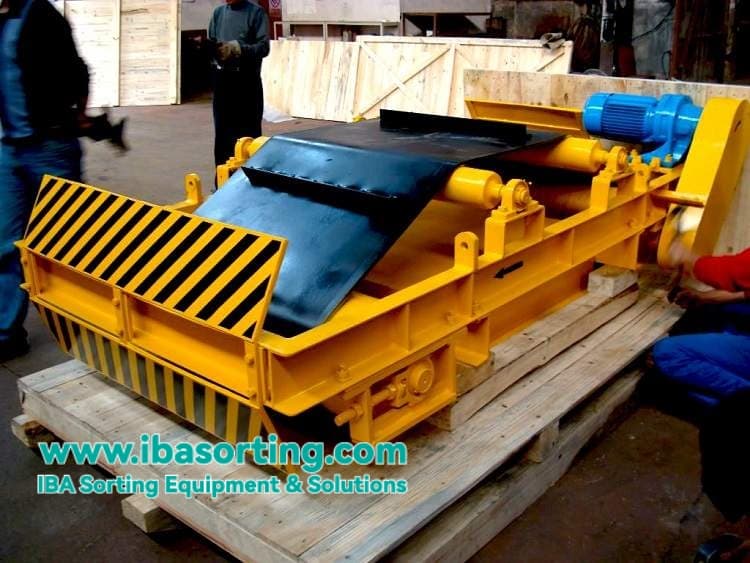
Large steel slag is removed from the material using a deep-field belt electromagnetic separator. Simultaneously, a wet magnetic separator operates within the fine slurry to capture fine iron powder, achieving final purification of the sand material.
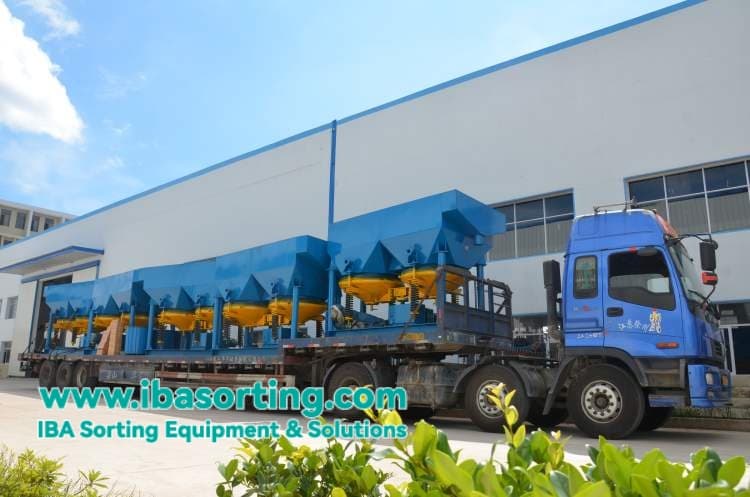
Iron-free slag, precisely fed by vibrating feeders, enters high-frequency eddy current separators to isolate aluminum, zinc, and crude copper. Residual heavy slurry undergoes processing via jigging machines and 6S-type shaking tables to recover fine copper, stainless steel, gold, silver, and other metals.
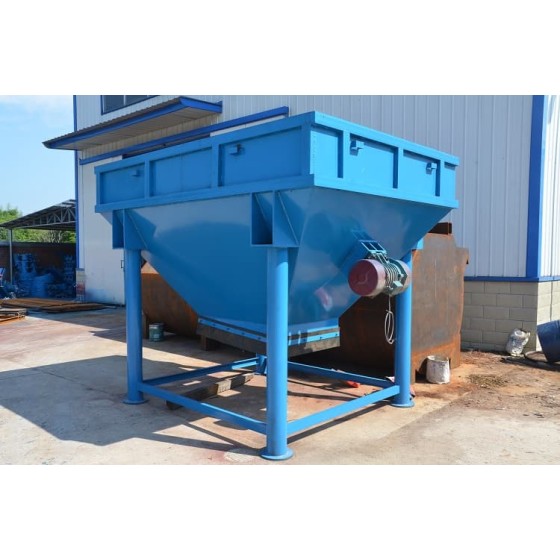
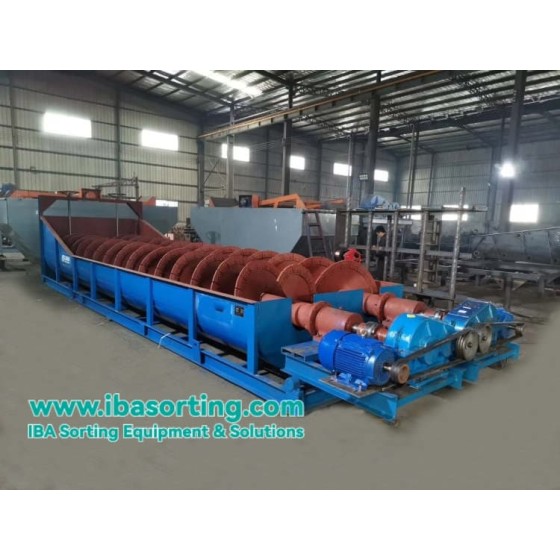
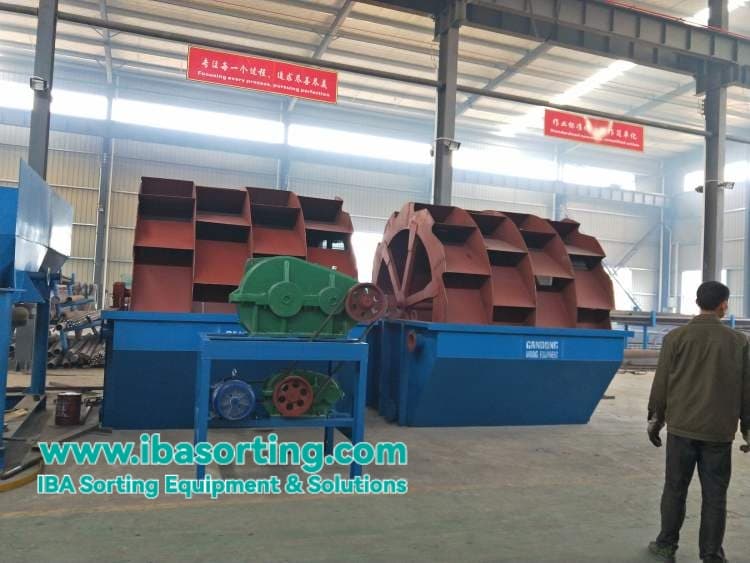
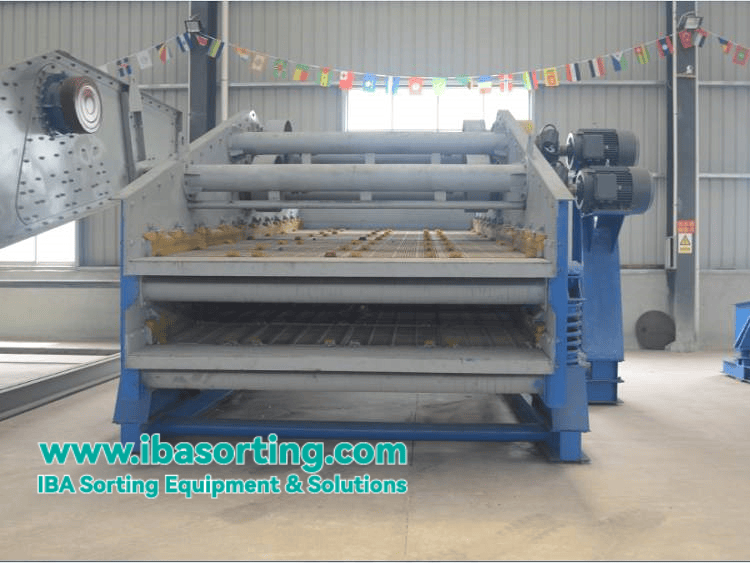
Inert tailings undergo thorough chloride removal via a tailings scrubber before drying on a dewatering screen. Toxic wash water is directed to a sludge filter press, compressing the slurry into dry cakes while achieving 100% water recycling back to the plant.

| Industry-Leading Recovery Rates | Synergistic primary crushing and multi-stage sorting processes achieve recovery rates far exceeding industry averages, with exceptional performance in fine metal recovery. |
| Rapid Return on Investment | High-purity recovered metals (manganese ore, copper) and significantly reduced landfill taxes typically enable investment recovery within 10 to 18 months. |
| Environmental Compliance | The entire system employs physical separation technology, featuring a closed-loop water treatment system (zero liquid discharge) and enclosed dust control equipment, strictly adhering to global environmental regulations. |
| Complete EPC Services | We manufacture core equipment in-house and provide comprehensive engineering, procurement, and construction (EPC) services—from layout design to on-site commissioning and operator training. |
We have successfully designed, manufactured, and commissioned dozens of large-scale IBA sorting plants worldwide, including:

Every ton of unrecovered slag represents lost profit. Our engineers will tailor high-output sorting solutions based on your waste-to-energy plant's specific capacity, footprint, and local environmental regulations.
Contact us today for a free technical consultation and ROI analysis!
To find out more about our products and solutions, please fill out the form below and one of our experts will get back to you shortly.